


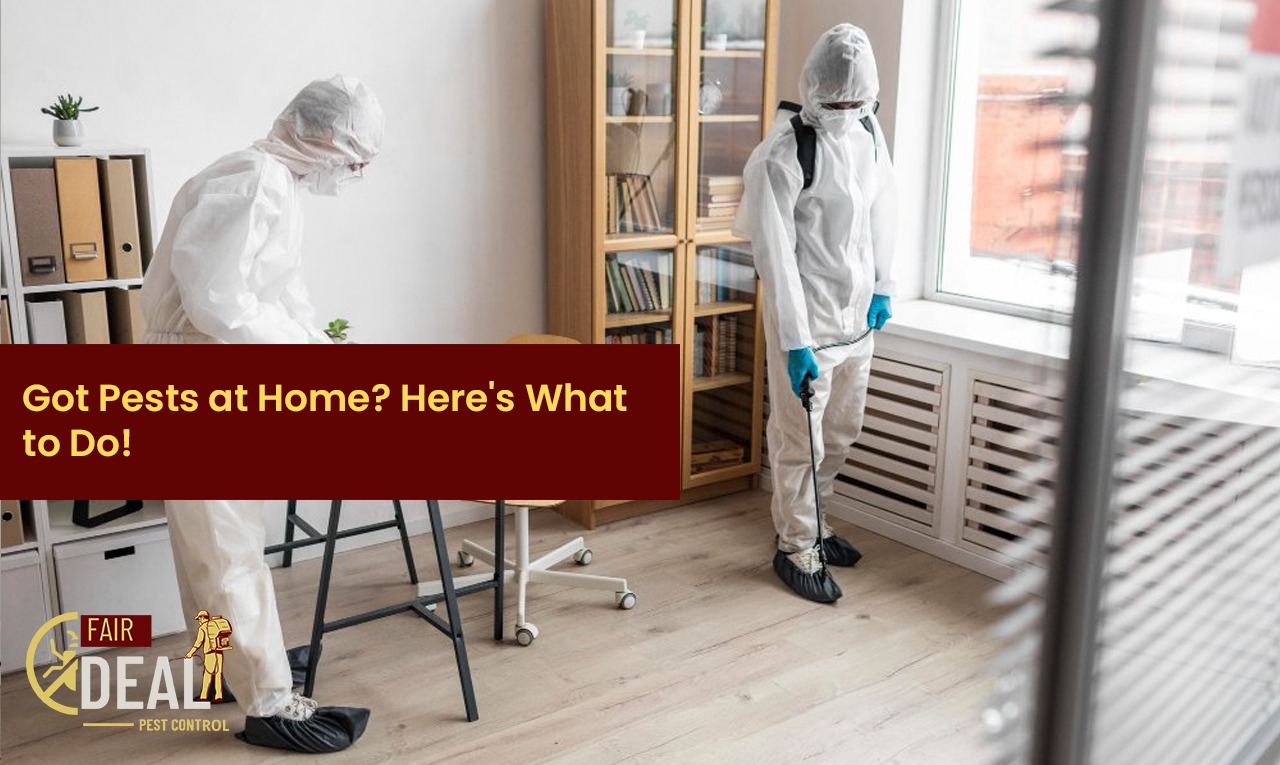
More than most homeowners would care to admit, pest issues are pretty standard. Roaches in the kitchen and rodents in the attic are just two types of pests that can quickly take over your home: destroying property, creating health concerns, and being annoying. However, when you notice the signs, the most significant choice is whether you can handle it yourself or need to call in the professionals who know how to handle a pest infestation.
Apart from giving suggestions on what to do if you have a pest infestation, this blog discusses the differences between do-it-yourself (DIY) and professional pest services.
How to Identify a Pest Infestation?
Identifying the indicators marks the first step in addressing what to do if you have a pest infestation. Many infestations are undetectable until they get terrible. Search for:
- Found near food, along baseboards, or in cabinets—droppings or pee.
- Musty or greasy smells could point to insects or rodents.
- Wires, furniture, paper, or food packaging—chewed or damaged goods.
- Look in secret or undisturbed places like basements, attics, or behind appliances—nests or webs.
- One actual pest sighting could indicate that many others are hiding nearby.
- Early proactive identification of these indicators can lessen the problem’s scope.
What Attracts Pests to Your Home?
Knowing the factors attracting bugs will enable you to know how to get rid of pests and stop the subsequent outbreaks. Typical attractants include:
- Food crumbs and spills: Rats, cockroaches, or ants can all be drawn in even minute levels.
- Unsealed trash: Unsealed garbage, particularly organic waste, draws flies and mice.
- Leaks or standing water: Silverfish and mosquitoes find perfect habitat in moist surroundings.
- Cluttered spaces: Piles of paper, cartons, or clothing offer coverings for messy areas.
- Pet food left out: Uncovered pet food bowls draw pests.
Eliminating these attractants will help your house to be less appealing to unwelcome visitors.
Steps to Take During a Pest Infestation
Once you either suspect or verify the signs of pest infestation, act right away:
- To stop the bugs from spreading, isolate the impacted area.
- Get clean—clear clutter, food, and water sources.
- Seal openings, including those beneath windows, doors, or pipes.
- For little problems like ants or mice, arrange bait stations or traps.
- Record the issue—take pictures or notes to track development or present a professional’s work.
- Mixing many chemical goods simultaneously should be avoided since it might be harmful.
Before the matter gets worse, acting quickly is quite vital and comprehend the 6 signs you have a pest infestation.
DIY Pest Control Methods: What Works and What Doesn’t!
For little bug problems and the consequent “the costs of ignoring pest-problems“, do-it-yourself remedies can be successful. Typical techniques include:
- Natural therapies include essential oils for mosquito repellent or vinegar sprays for ants.
- Store-bought baits or traps for flies, roaches, and mice.
- Diatomaceous ground for crawling insects.
- For flying mosquitoes, glue traps or light traps.
DIY work is not always guaranteed, however. They usually work with symptoms, not causes. Also, some chemicals are harmful when misused. DIY pest control solution may not be enough in case of already widespread infection or rapid spreading.
When to Call Professional Pest Control You?
Sometimes, it is necessary to understand how often to get pest inspection? and the best choice is to bring in a licensed pest control company:
- The outbreak is either widespread or recurrent
- You are handling harmful pests, including termites, bed bugs, wasps, or deadly spiders
- Do-it-yourself techniques have failed, or the pests returned after treatment
- There are also health hazards, such as infections from rodent urine or allergies from cockroach droppings
Professional pest control for homes guarantee the pests never return by using safe pesticides, cutting-edge methods, and follow-up inspections.
Comparing Costs: DIY vs. Professional Pest Control
DIY projects first seem less expensive. You can get powders, traps, or sprays for a few bucks. Still, the following factors are decisive:
- Do-it-yourself solutions could call for several purchases.
- Treatment going wrong might damage things and result in expensive repairs.
- Professional emergency pest control Hillingdon services provide superior long-term value since they mature guarantees and follow-up visits.
With professional help in what to do if you have a pest infestation, the overall cost might be similar or, even less—particularly for more severe infestations.
Pros & Cons of DIY Pest Control
Pros:
- Reasonably affordable for small infestations.
- Quick & easy.
- Tailored to your tastes (e.g., environmentally friendly solutions).
Cons:
- Might not deal with the fundamental cause.
- Calls for constant knowledge and effort.
- Some bugs could develop resistance to over-the-counter remedies.
Pros and Cons of Professional Pest Control
Pros:
- Quick and sustained 24 hour pest control Hillingdon.
- Safe, focused therapies.
- Expert opinions and preventative guidelines.
- Guarantees of mental serenity of mind.
Cons:
- More initial outlay of expenses.
- Calls for planning and preparation as well.
- Might cause some temporary inconvenience (such as moving out during treatment).
Preventing Future Infestations
The best line of protection from bugs is prevention with adequate same day pest control measures. So, be it rat control in Hillingdon or wasp nest removal, some points are unyielding. Clean your house regularly; store food in sealed containers; patch leaks immediately; close gaps or cracks around windows and doors. If you reside in a high-risk location, plan regular pest checks. Regular, simple efforts will help you prevent the stress and expenses of handling future infestations.
An infestation can leave you feeling helpless, yet knowing what is available will enable you to make better choices. The first step is to identify the type of problem and eliminate any possible attractants. For minor infestations, DIY pest control could be enough; however, when insects have gained a foothold, professional pest management is the better and safer choice.
Alongside what to do if you have a pest infestation, it is important to remember that treatment is not the sole essential factor. To prevent pests from invading your home, having a clean, dry, and sealed home can take a long way.